
What if the hardest part of raising venture capital isn’t building the company — but understanding the game being played across the table?
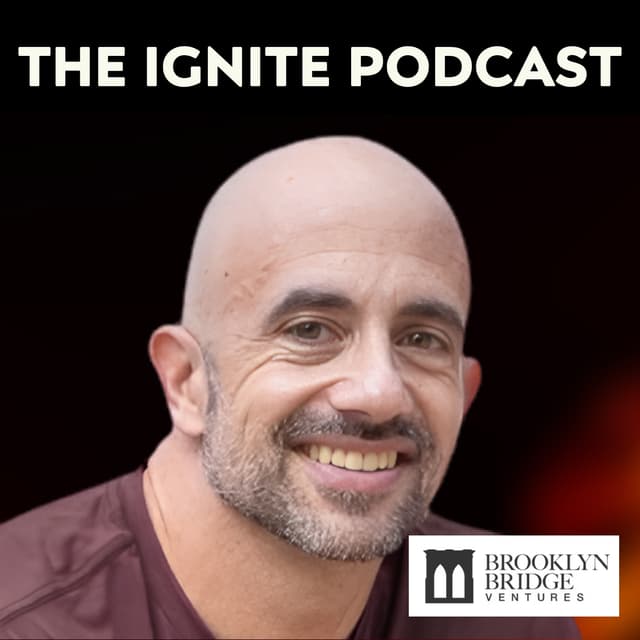
Charlie O’Donnell has spent more than two decades inside the venture machine: first on the LP side at the General Motors Pension Fund, then as the first analyst at Union Square Ventures, then helping First Round Capital build its New York presence, where he sourced early deals like GroupMe and SinglePlatform. In 2012, he founded Brooklyn Bridge Ventures, the first VC fund based in Brooklyn, writing first checks into more than 100 companies and becoming one of New York’s most accessible early-stage investors.
Now, after stepping away from active fund investing, Charlie is focused on helping founders understand what investors often won’t say out loud. His new book, Founder Unfriendly: What Investors Won’t Tell You About Getting Funded, pulls back the curtain on why good companies get passed on, why mediocre companies still get funded, and why fundraising is less about “being impressive” than proving fund-returning potential.
In Today’s Episode We Discuss
- 03:55— Surviving the Dot-Com Crash and Negative Returns
- 06:29— What LPs Don’t See About Venture Capital
- 09:39— Why VCs Are Still Middlemen in the Startup Ecosystem
- 11:33— Lessons from Being the First Analyst at Union Square Ventures
- 14:02— Building a Network Without Money or an Ivy League Background
- 17:10— Creating Access Through Community and Events
- 19:57— Joining First Round Capital After a Failed Startup
- 20:31— Pitching During the 2008 Financial Crisis
- 21:01— Helping Spark the Foursquare Funding Race
- 22:28— Why New York Needed a Different VC Playbook
- 24:26— GroupMe, SinglePlatform, and Early Wins at First Round
- 25:33— Price Sensitivity vs. Price Takers in Early-Stage VC
- 28:05— Why One Lucky Deal Is Not an Investment Strategy
- 32:15— Leaving First Round to Launch Brooklyn Bridge Ventures
- 34:21— Why Charlie Walked Away From Active Fund Investing
- 37:09— Writing Founder Unfriendly for the 99% of Founders
- 39:20— Why Good Businesses Still Get Rejected by VCs
- 41:00— Pitching Potential Instead of Conservative Promises
- 45:35— Why Fundraising Is a Potential Conversation
- 46:10— What Founders Can Learn From Parenting a Small Child
- 47:30— Why Every Slide Needs to Scream Fund-Returning Outcome
- 48:30— Team, Market, and Traction as the Core Pitch Narrative
- 50:48— How Founders Can Redirect Bad Investor Questions
- 53:28— Controlling the VC Meeting Without Being Obnoxious
- 55:47— Why Founders Should Read Founder Unfriendly
- 56:41— The One Deal Charlie Wishes Hadn’t Fallen Through
Charlie’s advice is blunt: venture capital is not a validation system. It is a financial product with its own incentives, blind spots, and pattern-matching problems. Founders who understand that can stop treating rejection as a judgment on their worth — and start pitching the upside investors are actually paid to chase.
As Charlie puts it: “This is not a promise conversation. This is a potential conversation.”
And that may be the real founder lesson: the best pitch is not the safest version of the truth. It is the clearest version of the possible.
Follow Charlie O’Donnell on LinkedIn: LinkedIn
Follow Charlie O’Donnell on X: X