
What if your AI didn’t just answer you… but interrupted you, remembered you, and slowly became someone you knew?
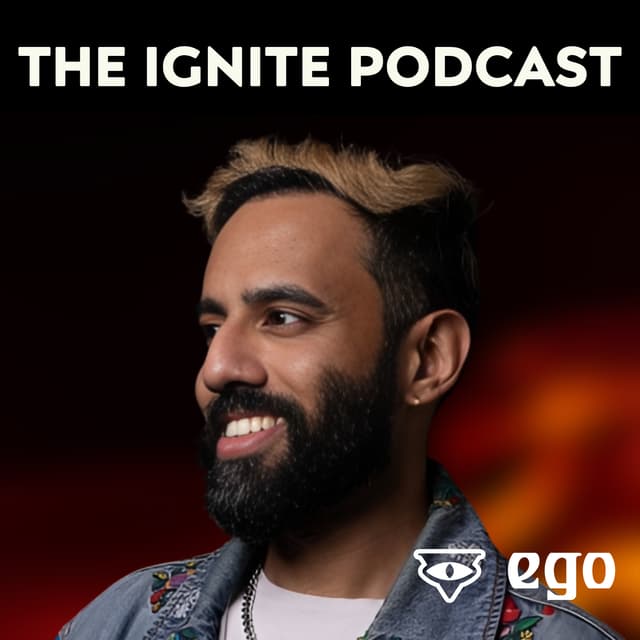
Vish Hari is building toward that future. A former Facebook AI researcher with roots in astrophysics, he’s spent nearly a decade inside deep learning—from training early models in 2013 to now founding Ego AI, an applied research lab focused on one idea: AI should feel human, not mechanical.
Ego isn’t chasing superintelligence. It’s going after something most labs ignore—behavior, personality, and relationships. The bet: the next breakout consumer platform won’t be the smartest AI. It’ll be the one you actually want to talk to.
In Today’s Episode We Discuss
- 00:01Introduction to Vish Hari & Ego AI
- 00:45Background in Astrophysics and Early AI Work
- 03:00From Research Labs to Founding Ego AI
- 05:30The Problem with Current AI Interactions
- 08:00OpenAI, Agents, and Personal AI Limitations
- 11:30Video Games as AI Training Grounds
- 15:00Human Behavior vs Machine Intelligence
- 18:30Ego AI Architecture and Product Vision
- 22:00Utility vs Personality Tradeoff
- 26:00Vision for AI Companions and Relationships
- 30:00AI, Society, and Behavioral Shifts
- 34:30Near-Fatal Assault and Recovery
- 40:00Lessons on Time, Resilience, and Focus
- 43:00Why Current AI Agents Fall Short
- 47:00Consumer AI vs B2B AI Debate
- 50:00Future of Work and AI Impact
- 53:30Founder Mindset and Building Ego AI
- 56:00Closing Thoughts and Where to Find Ego AI
Pull Quotes
“The problem we’re solving is entirely human-ness. AI does not feel human.”
“We don’t need superintelligence. We need something that feels like a person.”
If Vish is right, the future of AI isn’t a better tool.
It’s a new category of relationship.
Follow Vish Hari on LinkedIn: LinkedIn